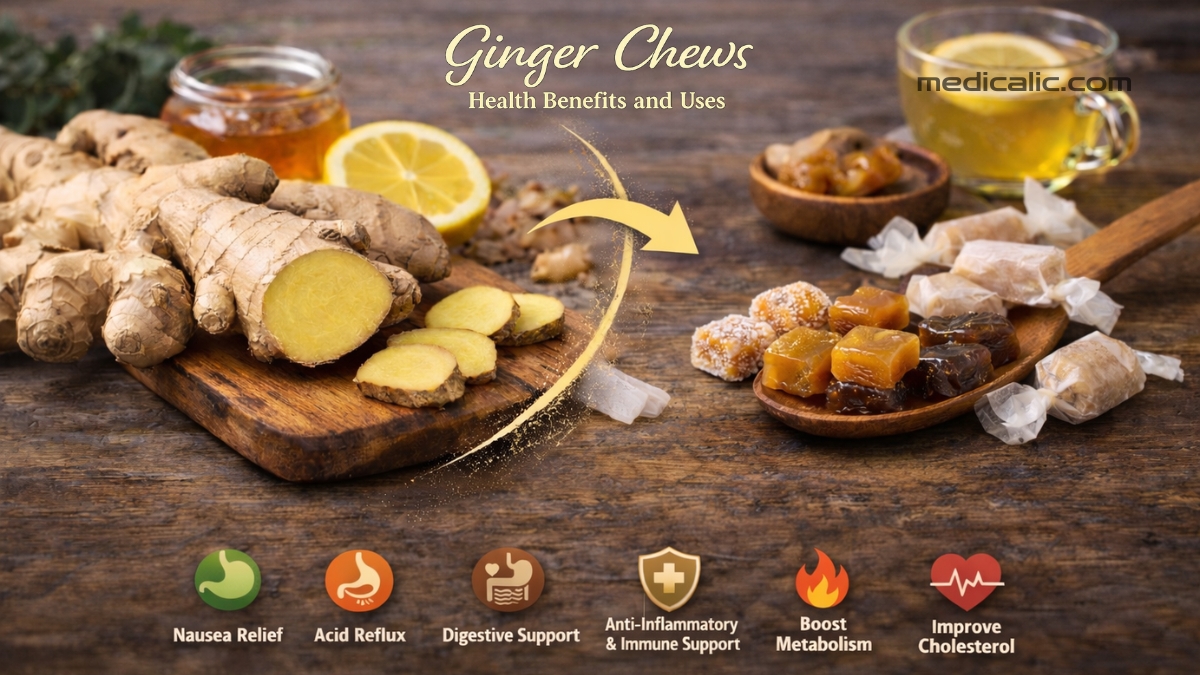
Ginger (Zingiber officinale) has been a trusted home remedy for centuries.¹ From easing stomach aches to calming colds, this knobby root has earned its place in kitchens and medicine cabinets worldwide. Today, ginger chews offer a convenient and tasty way to enjoy its benefits without brewing tea or cooking with fresh ginger or taking capsules.
But are ginger chews really good for you? And how many ginger chews can you eat a day without overdoing it? The answer depends on a few key factors.
What Are Ginger Chews?
Ginger chews are soft, chewy candies made primarily from ginger root extract or fresh ginger, sugar (or alternative sweeteners), and sometimes tapioca starch. They pack the warm, slightly spicy flavor of ginger into a portable snack.
Unlike ginger capsules or powders, chews are easy to carry and consume, especially when you’re on the go. Many people use them as a natural remedy for digestive discomfort, motion sickness, or even mild inflammation.
Ginger Chews Benefits: Why People Swear by Them
The ginger chews benefits come from ginger’s bioactive compounds, like gingerol, shogaol and zingerone. These natural chemicals have anti-inflammatory, antioxidant, and pro-digestive properties.
Here are some of the most well-supported advantages:
Nausea Relief: Where Ginger Really Shines
One of the most researched uses of ginger is for nausea relief. According to studies published in journals like Nutrition Journal and supported by institutions such as the National Center for Complementary and Integrative Health (NCCIH), ginger can help reduce nausea related to:
- Morning sickness during pregnancy
- Motion sickness
- Chemotherapy treatments
- Post-surgical recovery
Using ginger chews for nausea is common among travelers, pregnant individuals (with doctor approval), and patients undergoing medical treatments. The chewable form makes it easier to consume small, controlled amounts throughout the day. I personally keep 1-2 ginger chews in my travel bag during long bus rides.
Ginger Chews for Acid Reflux
Many people reach for ginger chews for acid reflux, and there’s a good reason. Ginger may help by:
- Supporting gastric emptying (helping food move through the stomach more efficiently)
- Reducing inflammation in the digestive tract
- Relaxing gastrointestinal muscles
While ginger is not a replacement for prescribed GERD medications, small amounts may help mild reflux symptoms. However, for some individuals, large quantities of ginger can actually worsen heartburn. Moderation is key.
Digestive Support
Ever felt heavy after a rich meal? Ginger actually helps your body move food along more efficiently. Ginger stimulates saliva, bile production, and digestive enzymes, helping the body break down foods. This can reduce common issues such as bloating, gas, stomach cramps, and indigestion.
The World Health Organization (WHO) has recognized ginger as useful for digestive complaints such as dyspepsia.
This makes ginger chews a handy after-meal treat especially when you’ve eaten something heavy.
Anti-Inflammatory and Immune Support
Gingerol acts as a natural anti-inflammatory compound. Some studies in Phytotherapy Research suggest ginger may help reduce muscle soreness and joint discomfort. Its antioxidant properties also support immune health by combating oxidative stress.
Boost Metabolism
Ginger has been studied for its potential role in supporting metabolism. Research published in journals such as Metabolism suggests that ginger may slightly increase thermogenesis, the process by which the body burns calories to produce heat. Gingerol and related compounds may also help regulate blood sugar levels, which can indirectly support metabolic health.
Improve Cholesterol Levels
Some clinical studies indicate that ginger supplementation may help reduce LDL (“bad”) cholesterol and triglycerides while supporting HDL (“good”) cholesterol levels. A review published in Phytomedicine found that consistent ginger intake showed small but positive effects on lipid profiles in certain individuals.
Most of these studies used concentrated ginger extracts, not candy forms. Because many ginger chews contain added sugar, overconsumption may counteract heart-health benefits.
Beyond digestion and metabolism, researchers have also explored ginger’s role in broader health areas.
Cancer Prevention
Ginger contains bioactive compounds such as gingerol, shogaol, and paradol (especially 6-gingerol and 6-shogaol), which have shown anti-inflammatory and antioxidant properties in laboratory studies.²
These compounds may influence pathways involved in cell growth, apoptosis (programmed cell death), and inflammation.
Some small studies suggest ginger may help reduce chemotherapy-related inflammation or nausea, but there is no strong evidence that ginger prevents, treats, or cures cancer in humans. And it’s important to clarify the truth: most evidence comes from cell and animal studies, not large-scale human clinical trials
So, are Ginger Chews Good for You?
In small amounts, they can be helpful!
The health value of ginger chews depends on two main factors:
- Ginger content
- Sugar content
Many commercial ginger chews contain added sugar & flavour, which can reduce their overall health value if consumed excessively. Some brands now offer low-sugar or organic versions.
If you’re managing diabetes, watching calories, or following a keto diet, check the nutrition label. The ginger itself offers benefits, but the candy base matters too.
How Many Ginger Chews Can I Eat a Day?
This is one of the most common questions: How many ginger chews can I eat a day?
There’s no universal number because ginger concentration varies by brand. However, experts suggests that up to 1–4 grams of ginger per day is generally considered safe for most adults.
Since each chew may contain around 0.5–1 gram of ginger (check packaging), most people can safely consume 2-4 ginger chews daily.
For pregnancy-related nausea, studies commonly use about ~1 gram daily.³
People who are taking blood-thinning medications, such as aspirin, or those who have gallstones, should also consult their doctor before consuming large amounts of ginger.
Too much ginger may cause:
- Heartburn
- Diarrhea
- Mouth irritation
- Increased bleeding risk in high doses
Who Should Be Careful?
While ginger chews are generally safe, some individuals should be cautious:
- People on anticoagulant medications (like warfarin)
- Individuals with bleeding disorders
- Those with gallstones
- Anyone preparing for surgery
Children can consume small amounts occasionally, but large quantities are not recommended due to sugar content.
When Should You Use Ginger Chews?
Here are practical moments when ginger chews shine:
- During travel to prevent motion sickness
- Early pregnancy (with medical approval)
- After a heavy meal
- During mild stomach upset
- For occasional bloating
- As a soothing throat treat in cold weather
Choosing the Best Ginger Chews
When shopping, look for:
- High ginger concentration (At least 500 mg ginger per serving)
- Minimal artificial additives
- Lower sugar content
- Transparent labeling
Organic and non-GMO options may offer additional reassurance for health-conscious consumers.
Title Separator Site title
Final Thoughts
Despite being sold as candy, ginger chews are rooted in a very old remedy. From supporting digestion to easing nausea and mild acid reflux, they provide a convenient way to harness ginger’s natural power.
So, are ginger chews good for you? In moderation, absolutely. They can be a smart addition to your wellness routine especially when used thoughtfully and in appropriate amounts.
It’s not a miracle cure. But for mild nausea or bloating, it can be surprisingly useful.
Just remember: As with any supplement, individual responses vary, so pay attention to how your body reacts.
Medical References
Update History
Medically reviewed by Dr. Rahul Kushwaha.
Originally written by Medicalic.
Your answer helps us improve the clarity and usefulness of our health content.